Content warning: mentions of online abuse and discrimination.
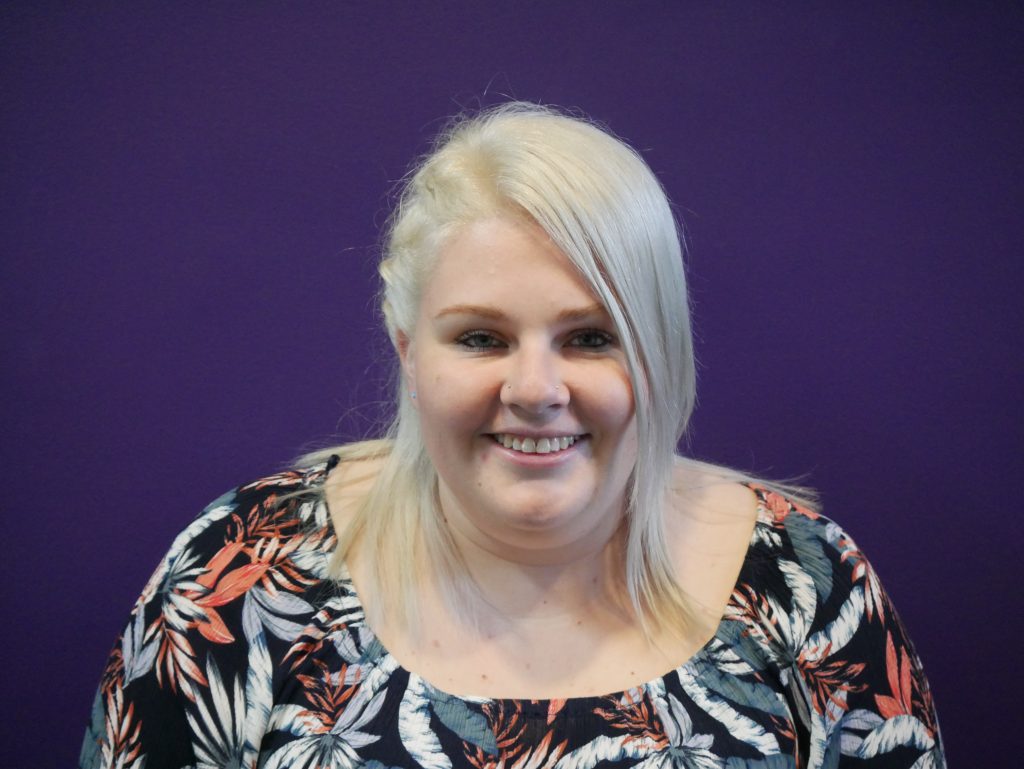
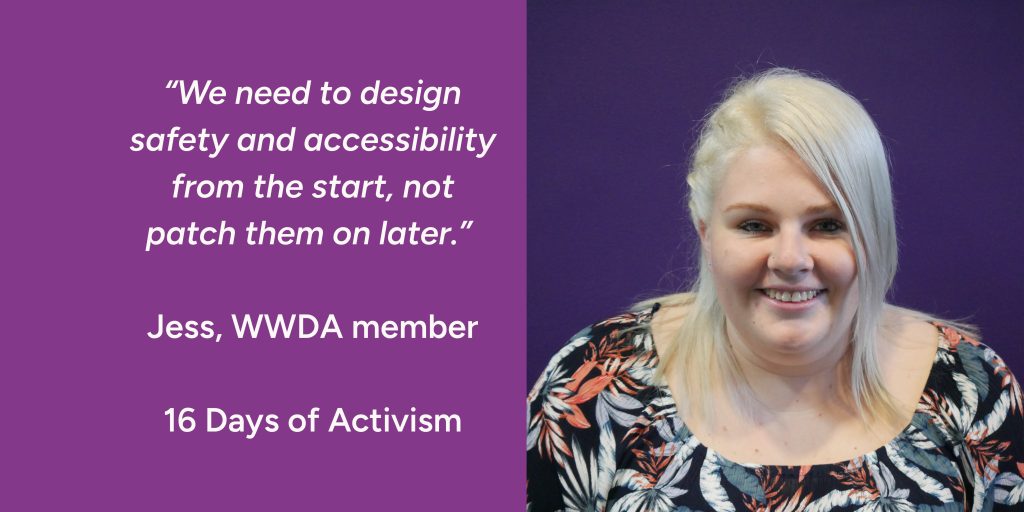
For many women and gender-diverse people with disability, the internet isn’t optional it’s how we connect, learn, work and find community. For Jess, digital spaces made participation possible even on hard health days and offered identity-affirming connection.
“It was easier to have a voice from home… joining the LGBTIQA+ community online helped me come out of my shell.”
She says even simple content formats can make people feel seen. Memes, visual explainers, and spaces where peers share lived experience.
“Connecting with people who’d been through similar things, that’s what allowed me to speak up and work on systemic change.”
Jess brings both lived experience and a professional perspective. She has worked in project development and co-design, contributing to projects with government and community organisations to make systems more accessible and responsive.
When technology harms
Jess is clear-eyed about the risks. Women and gender-diverse people with disability are often targeted by harassment, stereotyping and exclusion online. Content moderation can be inconsistent, and reporting systems confusing. Many people self-censor or withdraw entirely just to feel safe and the toll on mental health is significant.
“Tech-facilitated abuse can be image-based abuse, sextortion, bullying online… it can happen anywhere from intimate partner relationships to friendships and colleagues you work alongside.”
She knows how easily vulnerability can be exploited, especially when someone is struggling with their mental health.
“When we’re unwell, we can have our blinkers on. People can take advantage, using psychological abuse to manipulate and feel stuck in the web they have spun.” even over platforms like Zoom or Teams.”
The harm doesn’t stay online. Anxiety, isolation and loss of confidence can follow.
“It can really take a toll on your mental and physical health, adding additional pressures to all aspects of your life.” and physical health as well.”
Designing for safety
Jess’s message is simple: safety needs to be centred from the start.
- Co-design as standard: bring women with disability, young people and other affected groups into discovery, design and testing and pay them for their expertise.
- Trauma-informed choices: limit re-exposure to harm through tools like content warnings, blur filters, easy one-tap reporting, and clear feedback about outcomes.
- Accessible by default: readable typography and colour contrast, captions and transcripts, screen-reader support, flexible privacy settings, and low-bandwidth options.
- Clear accountability: transparent rules, consistent enforcement, and timely responses so people aren’t left waiting.
What change looks like
For Jess, progress requires collaboration across communities, platforms and government and it must reach beyond big cities.
“Get grassroots organisations, first responders and people with lived expertise in the same room not just in major cities. Listen to what’s happening everywhere.”
Education is critical, for both young people and adults.
“We need practical education about tech-facilitated abuse and hidden disability in schools, community programs, with teachers and youth all involved.”
She also believes digital systems must be transparent and accountable.
“Be transparent about what’s being recorded and used (for example AI in healthcare) and give people a real choice about engaging with it.”
“If content isn’t accessible, people can’t learn how to be safe. We still see poor colour contrast, no easy-read, no captions or transcripts, no screen-reader support.”
A vision for the future
Jess’s “better internet” starts with control, detection and equitable access.
“Everyone should have access to technology if they choose with controls beyond parental settings, and better ways to detect and block image-based abuse.”
“Accessibility and safety have to be standard, or people can’t protect themselves in the first place.”
This 16 Days of Activism, Jess’s message is practical and hopeful: when platforms, policymakers and communities design for safety and listen to lived experience digital spaces can truly heal more than they harm.
Video: Jess speaking on the need for accessibility in policy and digital spaces.