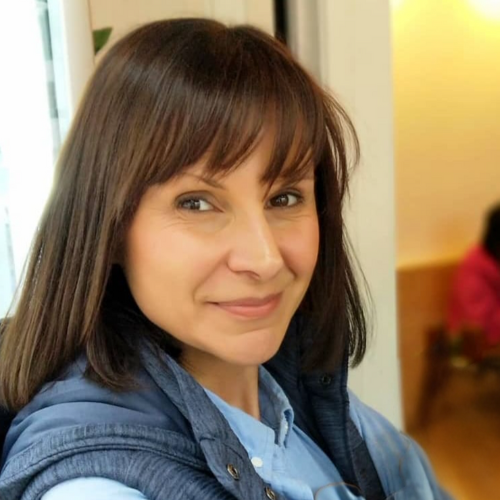
Tess is a passionate advocate for disability rights and healthcare innovation. Over the past decade, she has focused on advancing mental health services, suicide prevention, and inclusive healthcare. Her work includes co-designing transformative mental health units and services in Victoria.
As a consumer researcher, Tess amplifies lived experiences to drive systemic improvements and policy changes. Her collaboration on the Neve website for WWDA demonstrates her commitment to empowering women with disabilities and advancing WWDA’s mission.
With a background in social science and expertise in consumer engagement, Tess excels in peer counseling, strategic planning, and community development. She has served on advisory committees, reflecting her belief in diverse perspectives to create meaningful change.
Tell us about your professional experience and what your role on WWDA’s Management Committee entails.
My background is in social science, consumer engagement, mental health, and healthcare improvement.
Over the past decade, Ive focused on supporting more inclusive and responsive mental health services, suicide prevention and approaches to healthcare that values lived experience.
Ive been involved in consumer led research, peer support, strategic planning, advisory committees and the co-design of mental health services. Across these roles, Ive been guided by a belief that good services are built through respectful relationships, shared knowledge and a willingness to learn from the people who use them.
As a member of WWDA’s Management Committee, I contribute to the strategic direction, governance and long-term sustainability of an organisation whose purpose I deeply value.
I see leadership as both a privilege and a responsibility. It involves asking thoughtful questions, listening to different perspectives, making considered decisions and remaining accountable to the people and communities we serve.
I certainly don’t think one person alone has all the answers. Some of the most important things Ive learned has come from people who have generously shared their knowledge, challenged my thinking, and helped me see an issue from a different perspective.
For me, good leadership is about helping create the conditions so more voices can be heard and genuinely influence decisions.
“Our community needs to be heard, respected and included in decisions that shape our lives. We need accessible and responsive healthcare, genuine opportunities for leadership, financial and social equity, safety, and the freedom to make choices about our futures. We also need to recognise and celebrate the diversity, knowledge, creativity and strength that already exist within our communities.”
What did your work with Neve mean to you?
Being involved with Neve was super meaningful because it reflected something I care deeply about, and that is ensuring women and gender-diverse people with disability can access information, support and resources in ways that respect their dignity, autonomy and individual circumstances. What I valued about this work was the opportunity to contribute to something that grounded in the experiences and needs of the people it is intended to support. Meaningful inclusion is about listening, recognising different experiences and creating opportunities for people to shape the resources and services that affect their lives. Neve represents that.
Im grateful I was able to contribute to this work alongside others whose knowledge, commitment and perspectives are so important.
What does it mean to amplify lived experience while making sure people are not expected to retell trauma again and again?
For me, amplifying lived experience begins with a simple principle that people should never have to repeatedly share their pain to prove that change is needed. Lived experience is a form of expertise. It brings insight, wisdom and an understanding of systems that cant always be gained through research, or professional training alone. With that expertise comes a responsibility for those of us working in advocacy, research and leadership to listen deeply and intentionally, act respectfully, and ensure people’s contributions lead to something meaningful. We need to move beyond asking people to tell their stories, and create opportunities for them to shape decisions, design services and influence policy. That means respecting consent, privacy, and choice. It also means recognising that people have valuable insights to offer. I believe we honour lived experience when we can make sure their voices have influence.
“Community connection matters because belonging is a fundamental human need! When we feel seen, heard and accepted, we’re reminded that we’re not alone and our experiences, knowledge and contributions have value! Community creates opportunities to share wisdom, celebrate strengths, support one another and advocate for change together.
“I also believe there is something so powerful about the kindness people show one another, even in the smallest ways. We don’t have to carry everything alone.”
What role do you think WWDA plays in creating safer, more accessible and more responsive services?
WWDA plays a vital role in ensuring the rights, experiences and expertise of women and gender-diverse people with disability are recognised and reflected in the decisions that affect their lives. What I value about WWDA is its commitment to human rights, collective leadership and meaningful inclusion.
WWDA also create opportunities for connection, advocacy and collective action, which are important when people have experienced exclusion or have not felt heard by the systems intended to support them.
For me, WWDA’s strength lies in its community. Theres extraordinary knowledge, courage and generosity within that community, and it deserves to be recognised and respected.
I see WWDA’s role as both advocating for change and helping to shape a future in which accessibility, safety, equity and dignity are embedded from the beginning, rather than considered afterwards.
What is one thing you would like decision-makers to understand about disability, mental health and healthcare?
I would love decision-makers to understand that being heard is not the same as being included, and being consulted is not the same as having influence. Women with disabilities are often required to navigate complex systems while also managing the impacts those systems can have on their health, wellbeing, relationships and everyday lives. Healthcare should never make people feel they need to fight to be believed, understood or treated with dignity. Through my work in mental health, healthcare and consumer engagement, Ive seen the importance of bringing professional knowledge and lived experience together. Both are important, and the strongest outcomes emerge when there’s genuine respect between them. I believe we need services that look beyond diagnoses and recognise the whole person and their strengths, circumstances, relationships, identity, aspirations and right to make decisions about their own life.
Compassion is essential, but we also need accountability, accessible services and a willingness to change what not longer serves people.
“Inclusive healthcare means being treated as a whole person, with dignity, respect and compassion, and listened to without judgement. It also means having access to information you can understand, and being supported to make informed choices about your own health and wellbeing.”