The WWDA Youth Network established in July 2015 to provide young women, girls and gender-diverse people with disabilities living in Australia with easy-to-understand human rights information, opportunities to connect, to share their stories, and empower them to get involved in advocacy and policy around disability rights.
In December 2020, the WWDA Youth Advisory Group (WYAG) was created, and has since played a significant role in shaping WWDA’s advocacy, policy and community engagement. WYAG members have helped amplify youth perspectives across campaigns, consultations, events, storytelling and global conversations on disability rights and representation.
Together, the Youth Network and WYAG have supported young people with disability to strengthen their leadership, advocate for change, foster community connection and contribute to meaningful social and systemic change.
This page celebrates the achievements, contributions and impact of the Youth Network and WYAG, and acknowledges the many young people whose advocacy, leadership and lived experience have helped shape and strengthen this work over the years.
Youth Network launch: On 30 July 2015, the WWDA Youth Network officially launched. The Minister Assisting the Prime Minister for Women in 2015, Senator the Hon. Michaelia Cash, helped to launch the group at the Australian Human Rights Commission in Sydney.
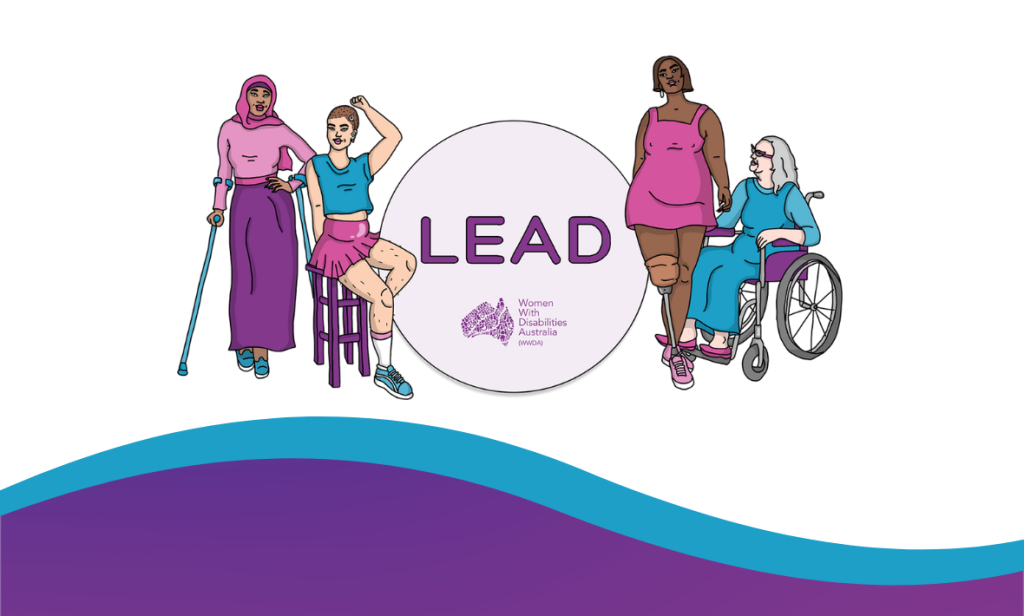
LEAD Project: In 2020, the WWDA Youth Network begin to advise and co-design the LEAD Leadership and Mentoring Toolkit.
December 2020: The WWDA Youth Advisory Group is launched as an independent group to advise on all WWDA initiatives, policy and advocacy.
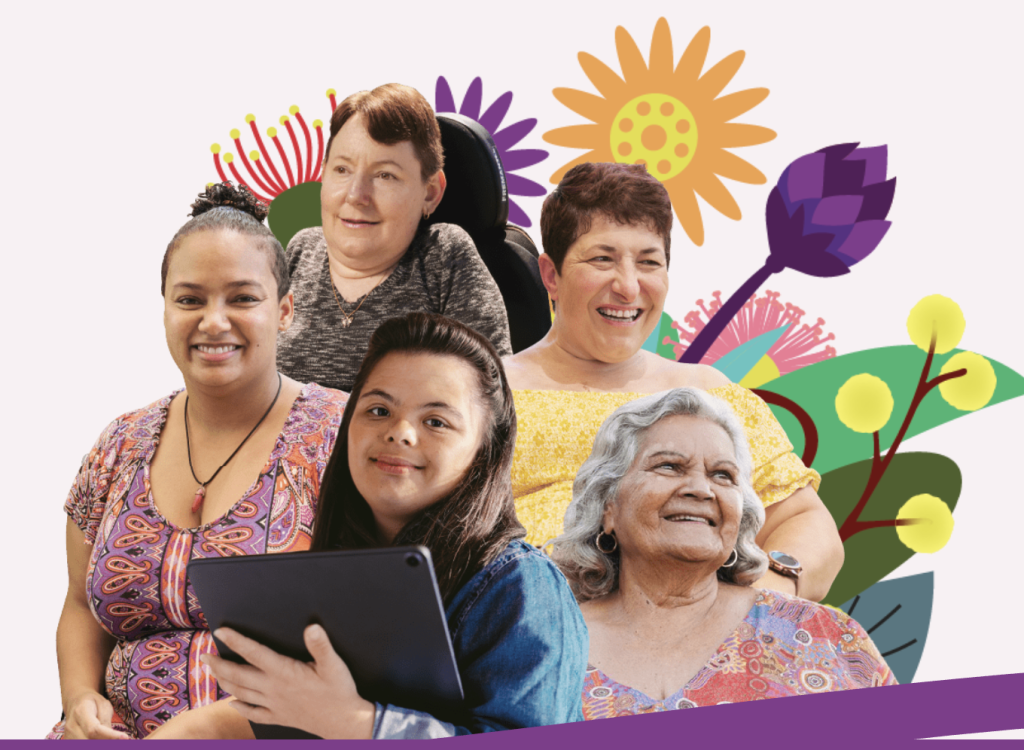
Neve: WWDA Youth co-design and consult on the Neve project, contributing to Australia’s first ‘Easy Read-first’ website, providing resources on health, wellbeing and safety for people with disabilities.
We Can All Be Leaders: WWDA Youth podcast series, in partnership with 2RPH, shared the history, goals and achievements of our organisation, told through stories from extraordinary advocates within our community.
Disability Royal Commission: WWDA Youth held forums, events and communications with its members.
WWDA LEAD Webinars: WWDA Youth featured in the LEAD Project’s webinar series, highlighting key intersections of our community, including gender, sexual orientation, identity, and finding support. Many youth advocates co-designed, curated and were guest speakers in the series.
Peer Networking: WWDA Youth advocates and members co-designed and participated in the LEAD Peer Networking sessions, running from 2021 to 2024.
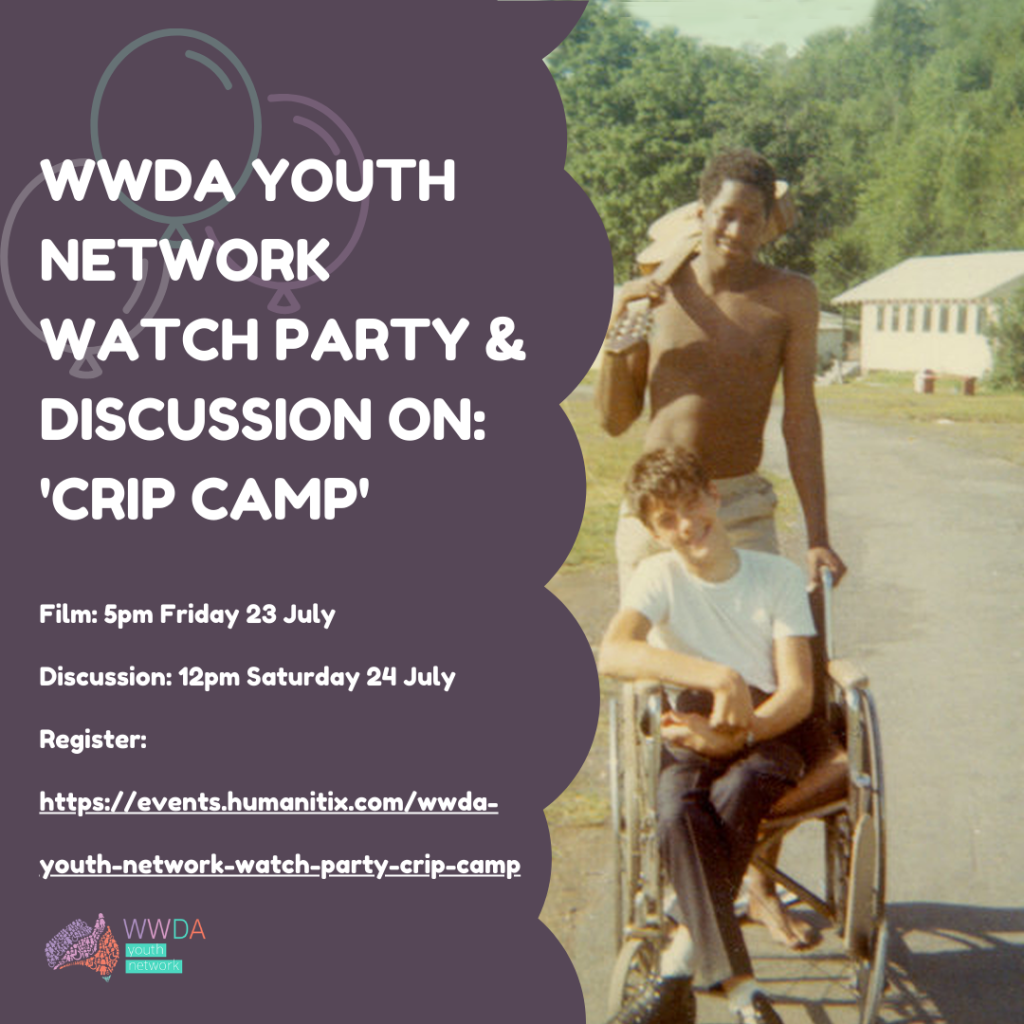
Movie Club: WYAG hosted a movie night and discussion group around the film ‘Crip Camp’.
Reproductive Health for Young Persons with Disability: Funded by the Consumer Health Forum, WWDA Youth design and launch new resource on reproductive and sexual health, addressing a critical gap in information and support for young people with disabilities
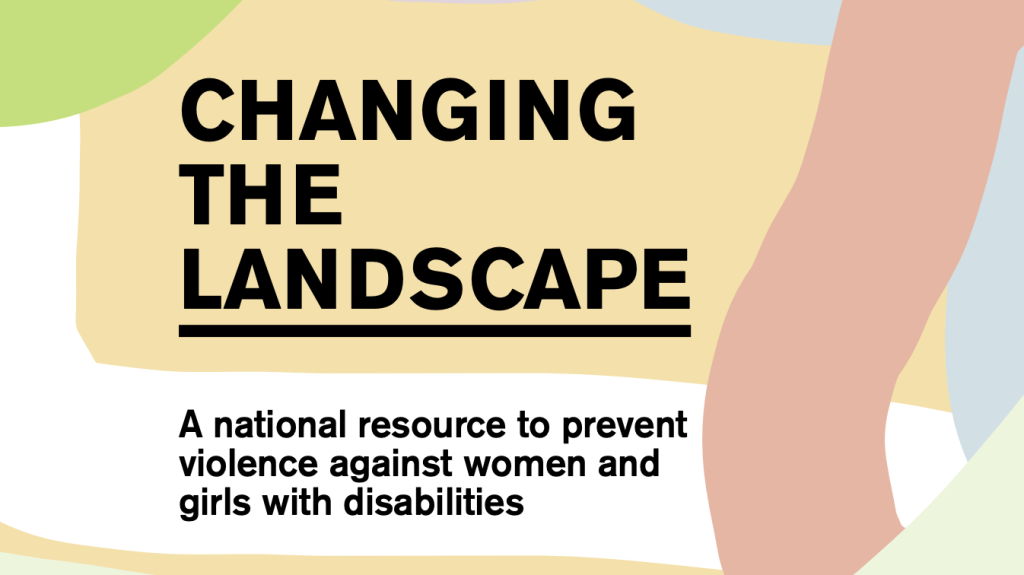
Introduction to Gender-Responsive Health: Key advisers on Our Watch’s Changing the Landscape resource to guide the prevention of violence against women and girls with disabilities.
ScreenEQUAL: With UNSW, WWDA Youth were advisers on this campaign to provides resources about the Cervical Screening Test for people with intellectual disability.
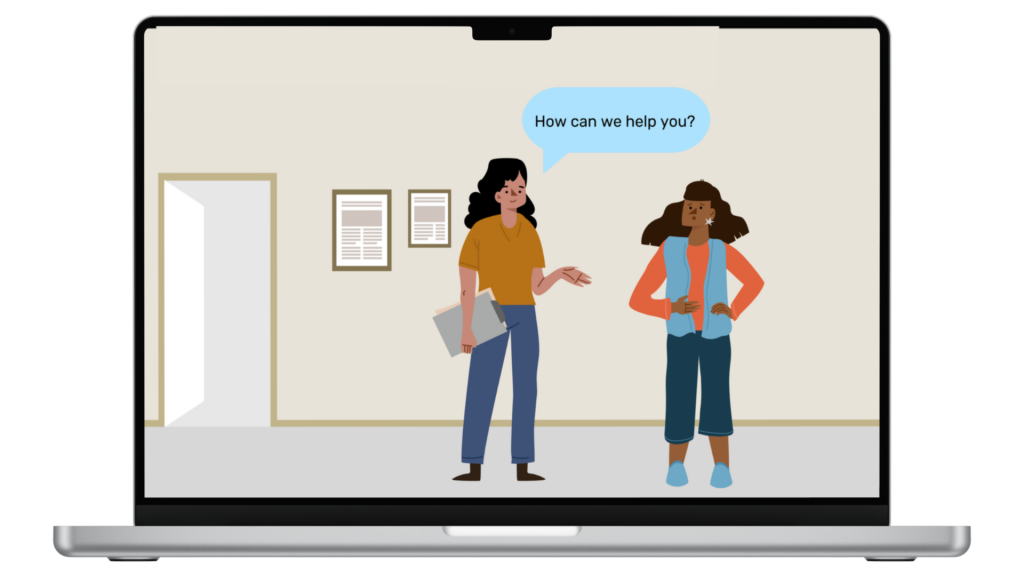
Introduction to Gender-Responsive Health: The WYAG and youth members act as key advisers on the Australian Women’s Health Alliance’s e-learning course on inclusive healthcare and public health policy.
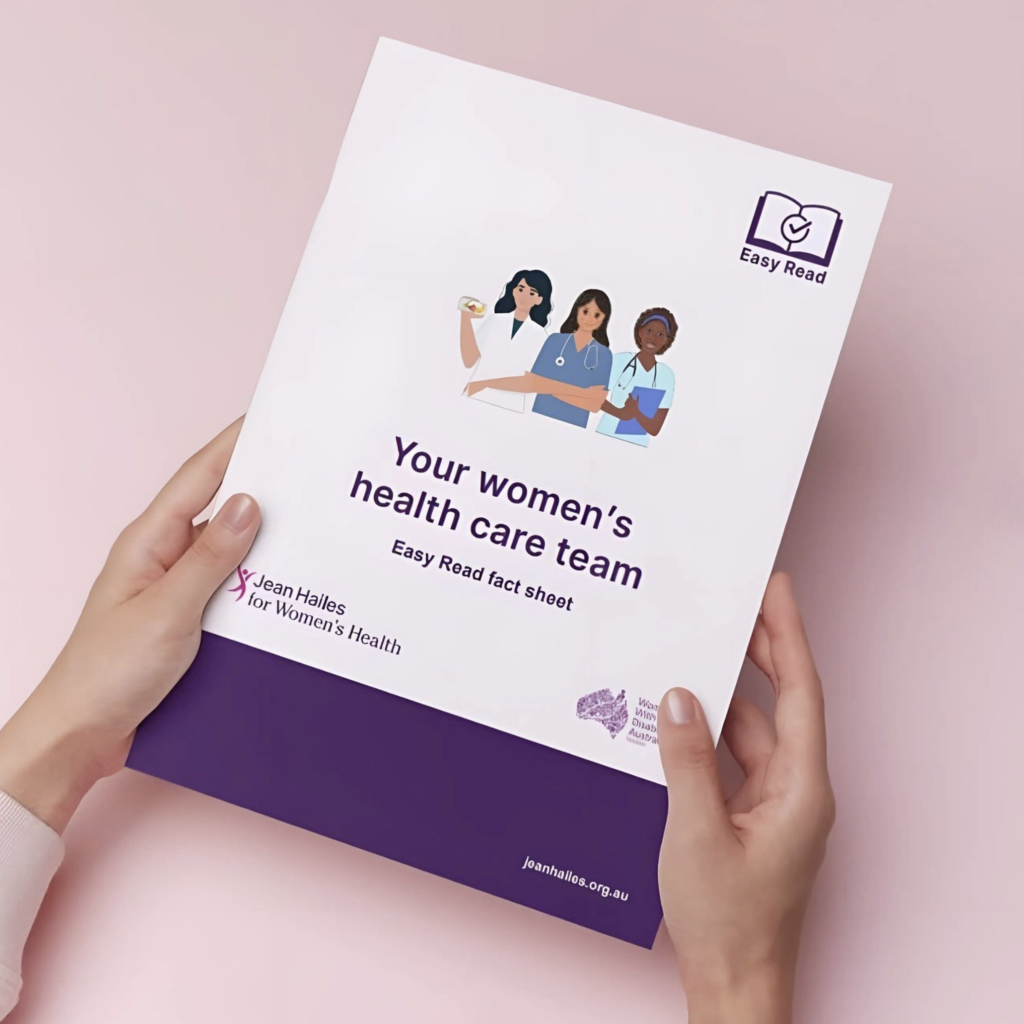
Easy Read fact sheets: WWDA Youth user-tested and co-designed two Easy Read fact sheets on women’s health with the Jean Hailes Centre for Women’s Health – “When you go to the doctor” and “Your women’s health care team”.
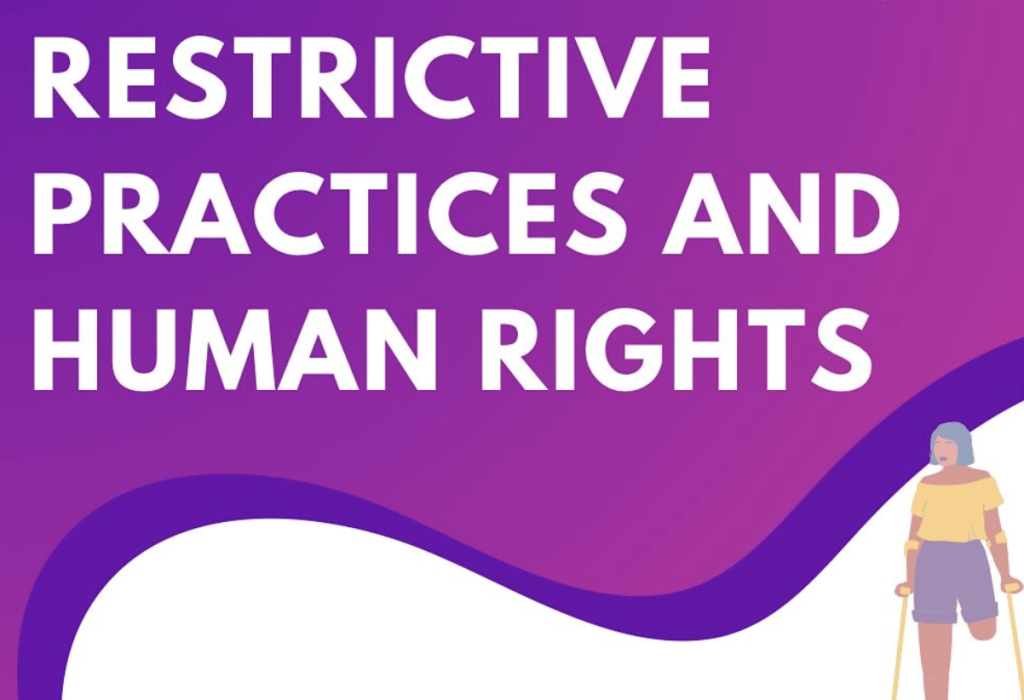
Easy Read fact sheets: WWDA Youth members attended workshop on human rights and restrictive practices with People With Disability Australia and the Australian Human Rights Commission.
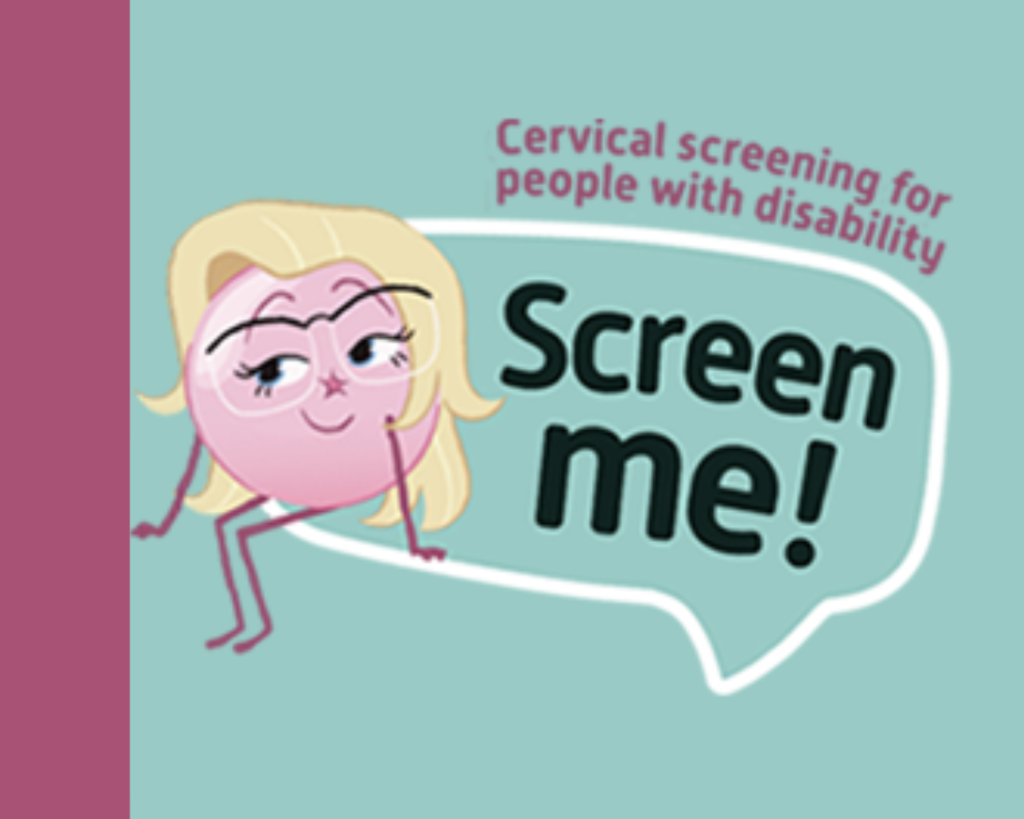
Screen me!: WYAG advised on the Screen Me! campaign by the Australian Government to encourage cervical screening for people with disabilities.
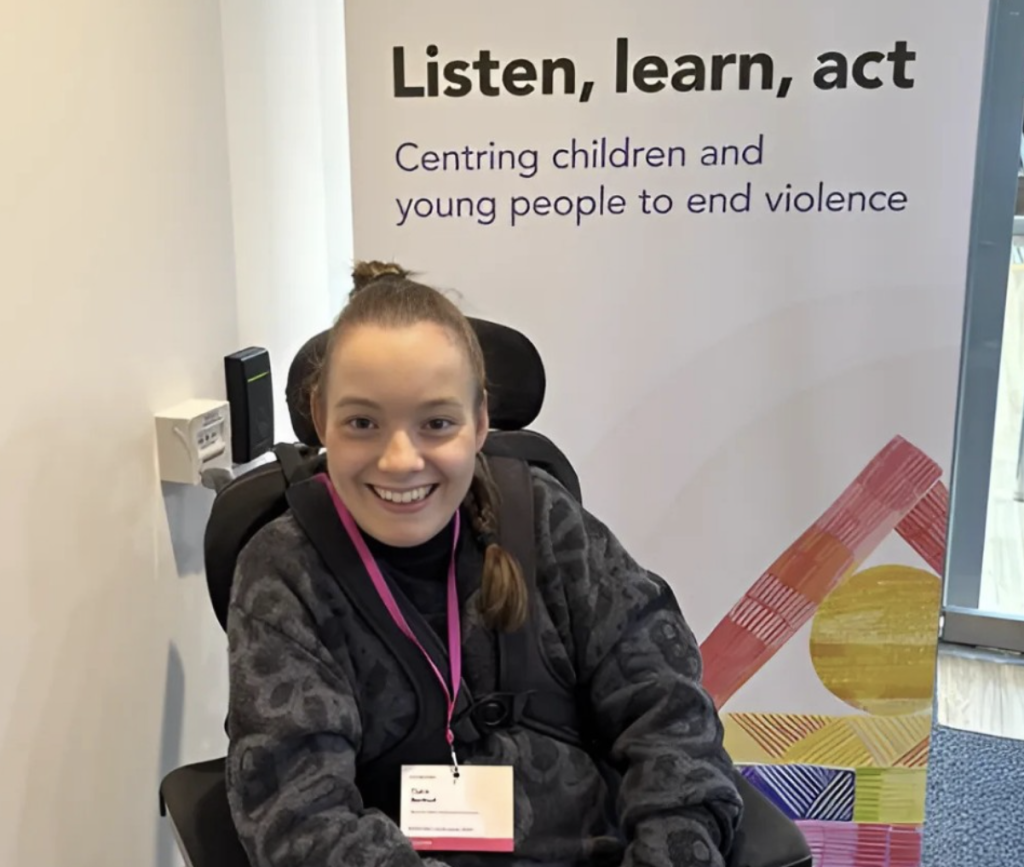
ANROWS Conference 2025: Youth advocates from WWDA spoke at the ANROWS conference on violence, abuse and neglect against children and young people.
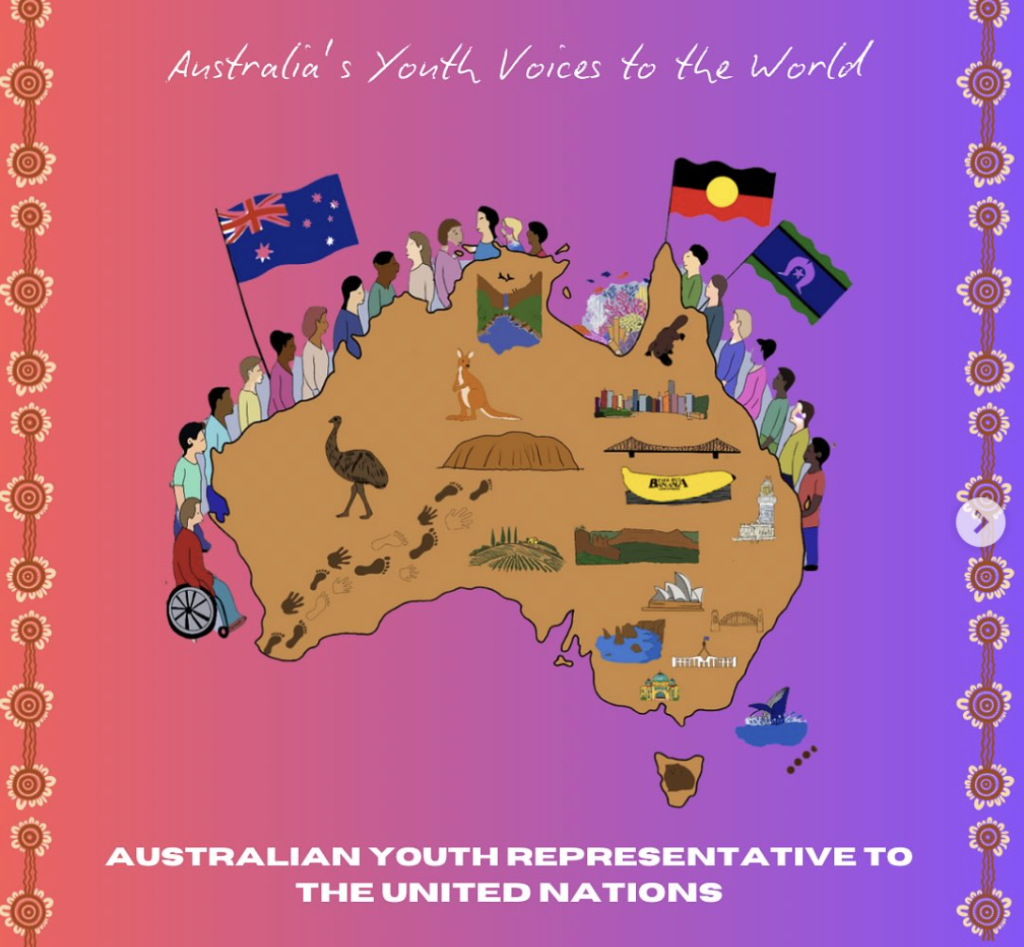
Australia’s Youth Voices to the World: WYAG held a roundtable with the 2025 Australian Youth Representative for the United Nations, discussing youth disability issues and justice.
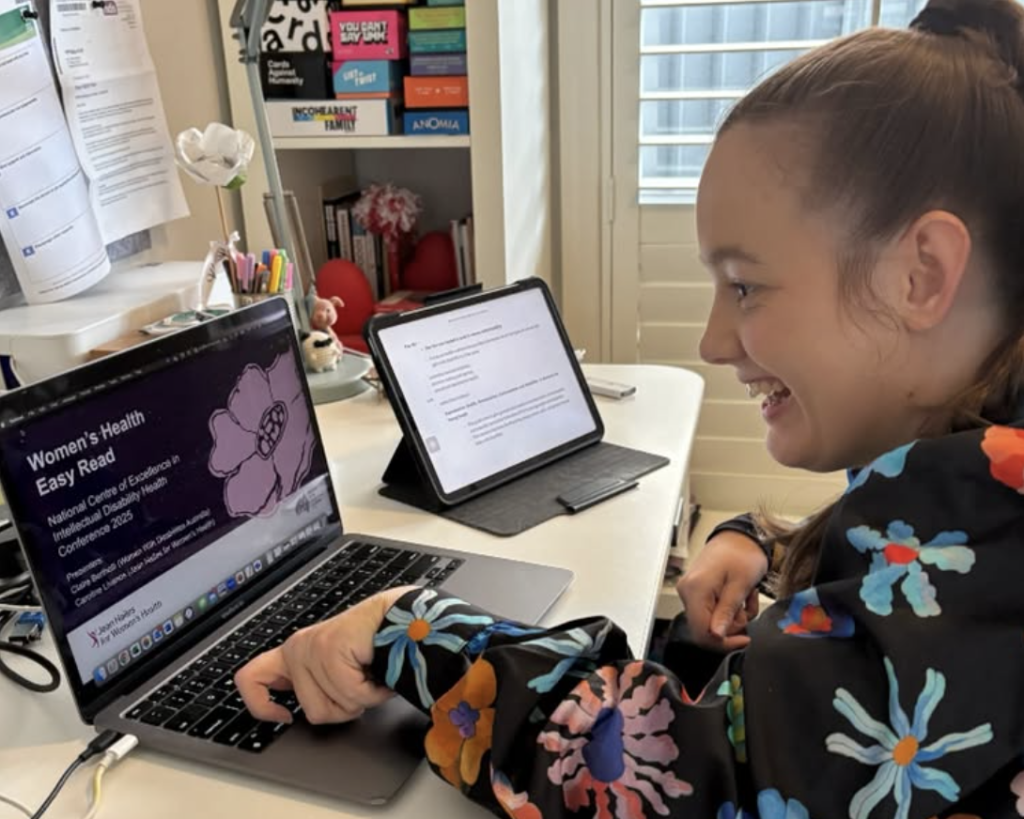
NCEIDH: Youth advocate Claire Bertholli represented WWDA at the National Centre of Excellence in Intellectual Disability Health (NCEIDH) Conference 2025.
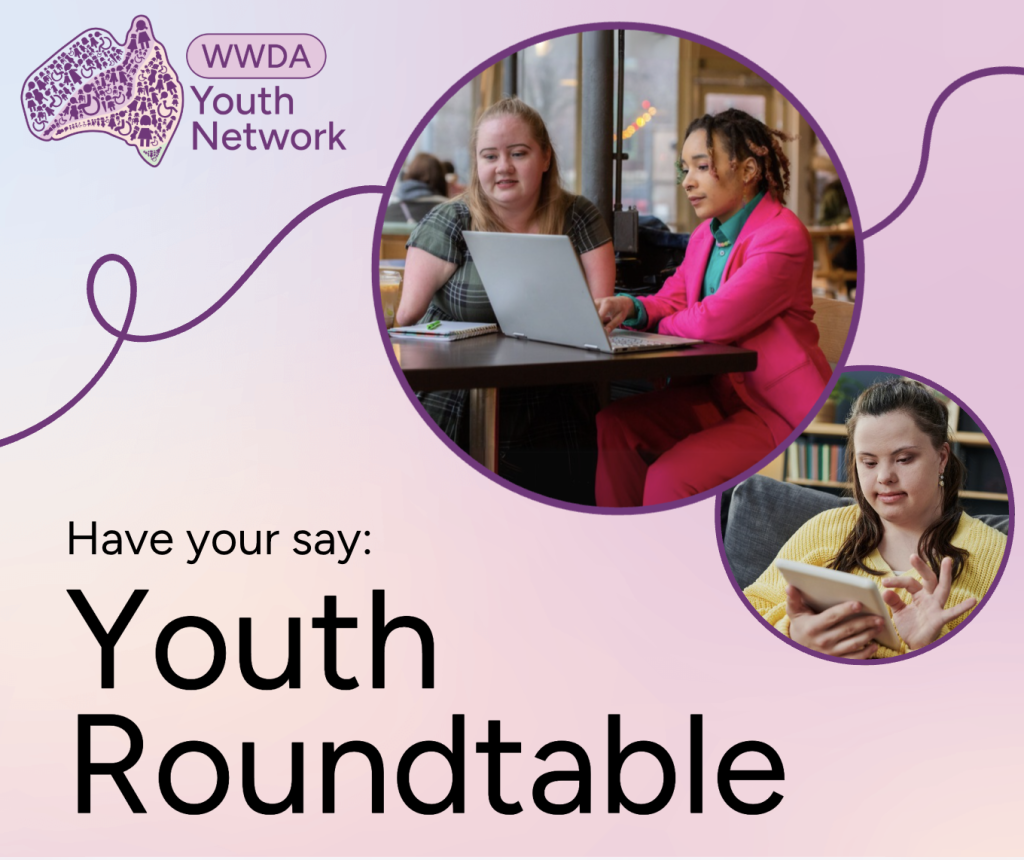
Have your say: Youth members attended several roundtables hosted by WWDA. They focused on key discussions topics, including economic security, the Disability Discrimination Act, NDIS Review, employment standards, healthcare and regional and remote disability supports.